Research news, practical guides, and science explained — keeping Canadian researchers informed.
Degraded peptides don't just lose potency — they introduce variables that can invalidate your research. Here's what to watch for.
Thymosin Alpha-1 is one of the few peptides with actual pharmaceutical approvals. Here's what decades of immune modulation research have revealed.
Most peptides can't cross the blood-brain barrier. Understanding why — and which ones can — is fundamental to neurological peptide research.
WADA's prohibited list covers virtually all research peptides. Here's exactly what's banned, how testing works, and what the S0 category means.
GHK-Cu continues to accumulate evidence in skin science. Recent developments in wound healing, anti-ageing, and hair growth research.
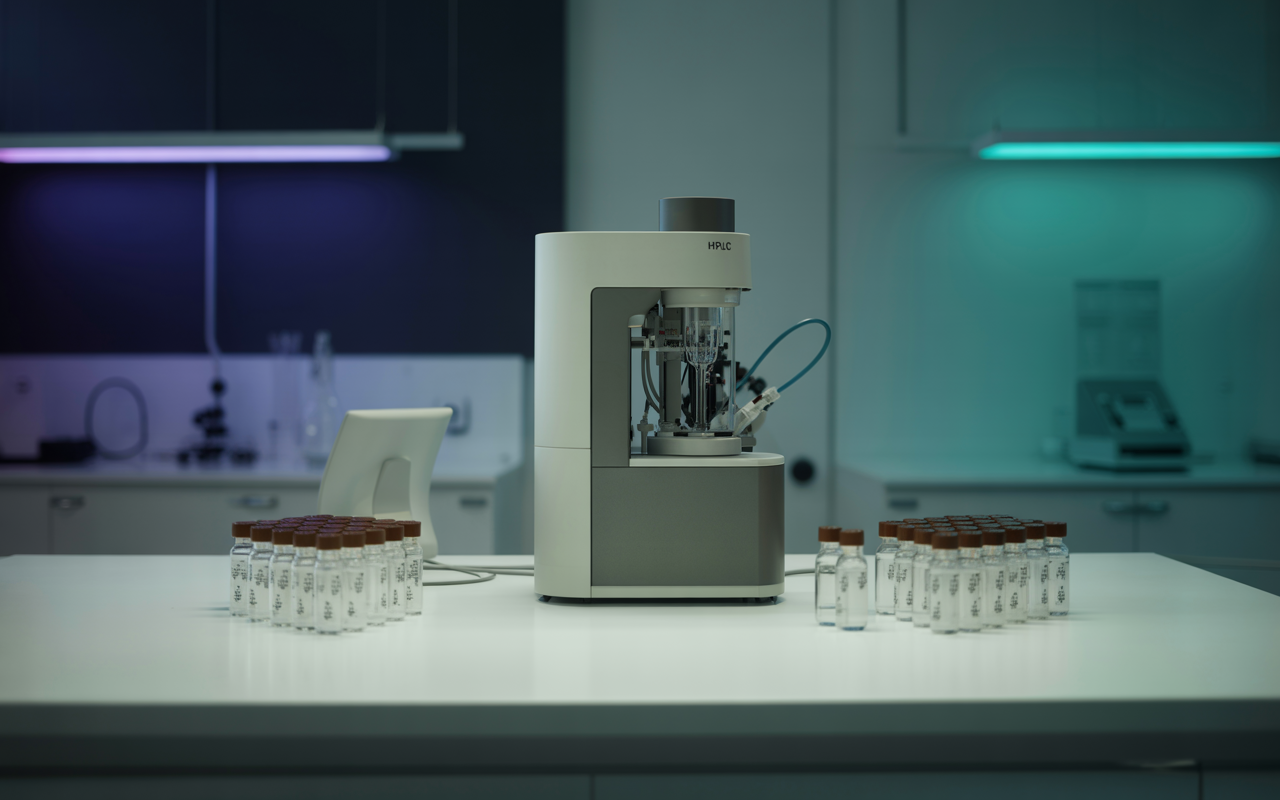
A purity percentage on a COA tells you less than you think. HPLC methodology, TFA salt content, and the nuances that matter for research quality.
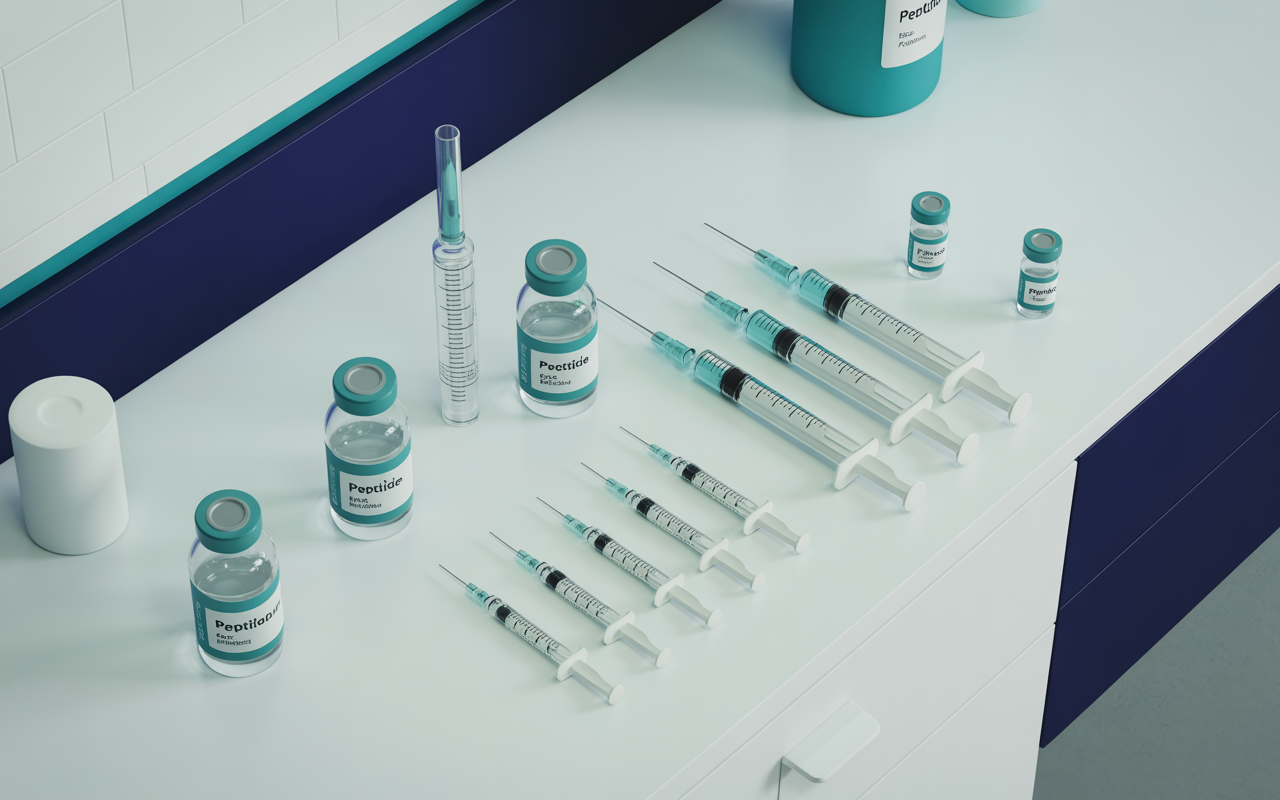
Reconstituting lyophilised peptides correctly is essential for consistent research. Here's the complete process, from solvent choice to concentration calculation.
Semaglutide dominates headlines, but the GLP-1 agonist research landscape is far broader. Tirzepatide, survodutide, and what's on the horizon.
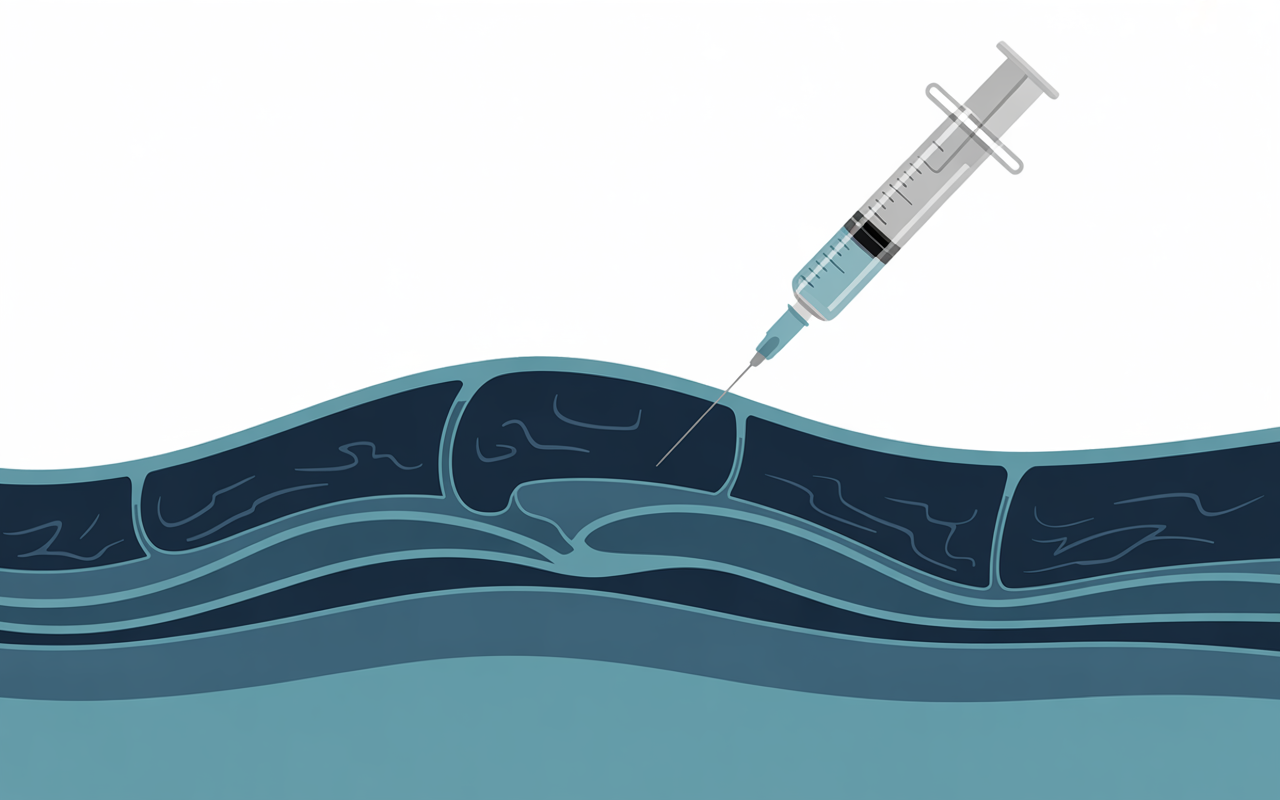
The choice between subcutaneous and intramuscular injection affects absorption, onset, and research outcomes. Here's what the evidence says.
A summary of the most significant BPC-157 research published in the past year, including gut-brain axis studies and new delivery methods.
Where does Canada stand on research peptides in 2026? Regulatory trends, supplier landscape, and what's changing for Canadian researchers.
Peptides degrade through oxidation, hydrolysis, and aggregation. Understanding the chemistry behind instability helps you prevent it.
Not all peptide suppliers are created equal. Here's what separates the reliable from the risky in Canada's unregulated research chemical market.