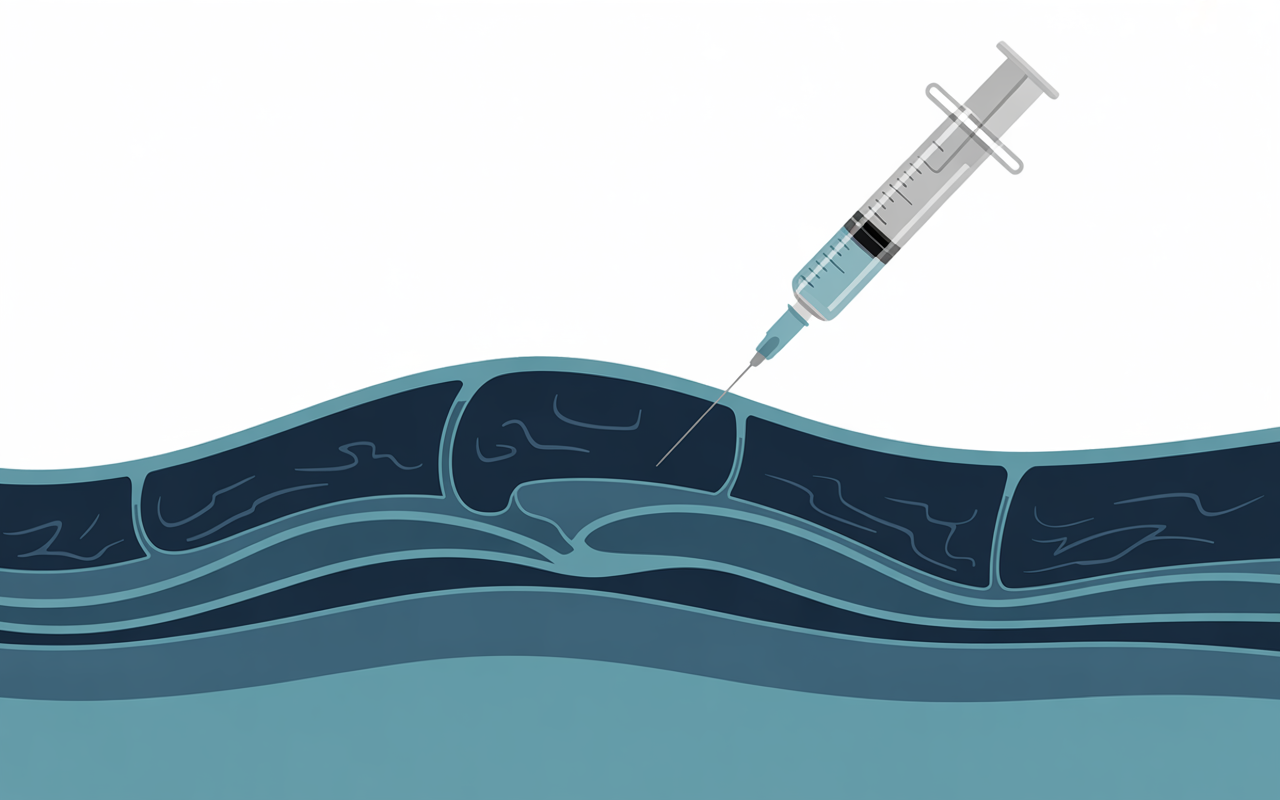
Peptide Reconstitution: A Practical Step-by-Step Guide
Reconstituting lyophilised peptides correctly is essential for consistent research. Here's the complete process, from solvent choice to concentration calculation.
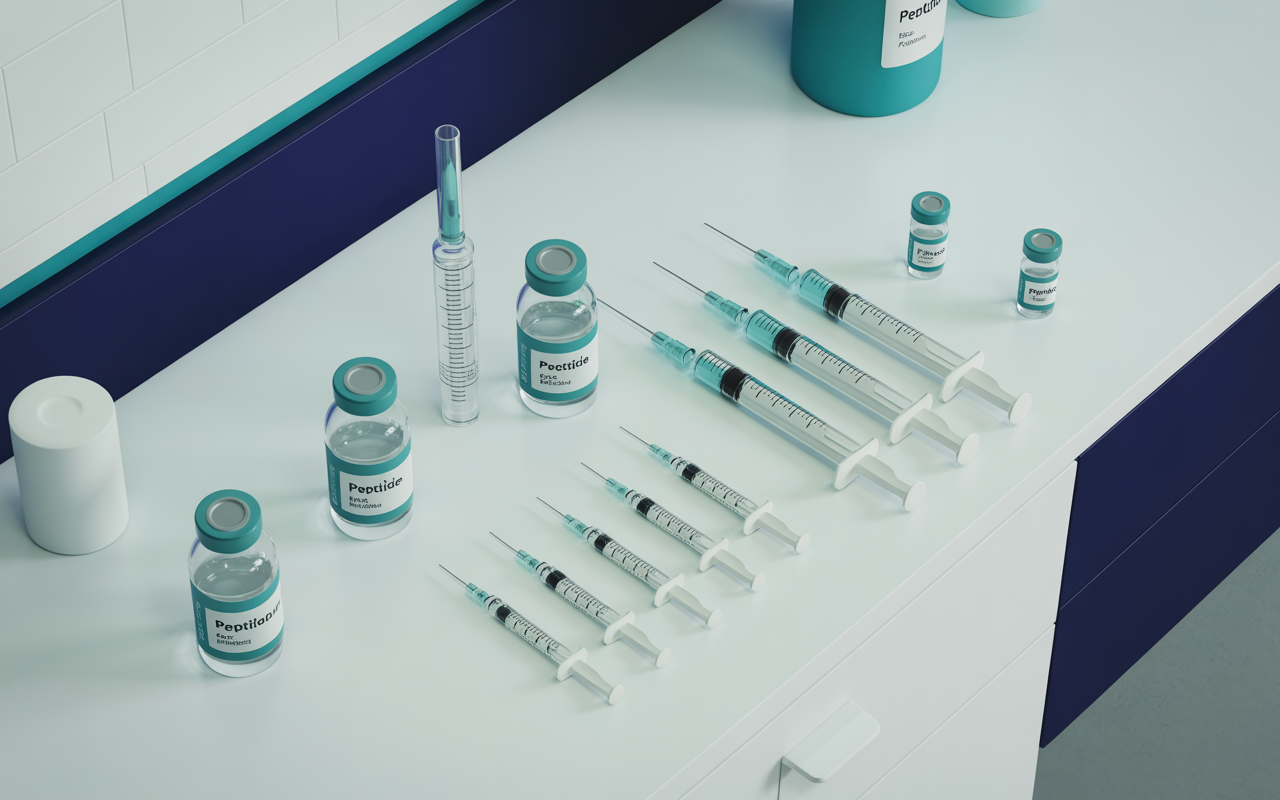
Before You Begin
Reconstitution — the process of dissolving lyophilised (freeze-dried) peptide powder back into solution — is one of the most important practical skills for peptide researchers. Done properly, it produces a consistent, accurately dosed solution. Done carelessly, it can damage the peptide before you even begin your research.
This guide covers the complete process for most research peptides.
Step 1: Choose Your Solvent
The most common solvents for peptide reconstitution are:
Bacteriostatic Water (BAC Water): - Sterile water containing 0.9% benzyl alcohol as a preservative - Best for multi-use vials — the preservative prevents microbial growth - Extends usable life to 28-30 days refrigerated - Suitable for the vast majority of research peptides
Sterile Water: - Pure water with no preservative - Best for single-use applications — without preservative, microbial contamination risk increases rapidly - Use within 24-48 hours - Required for certain sensitive assays where benzyl alcohol might interfere
Acetic Acid (0.6%): - Required for certain peptides that are poorly soluble in water at neutral pH - GHK-Cu and some other peptides may require slightly acidic conditions - Only use when specifically recommended for the peptide in question
Step 2: Calculate Your Concentration
Before adding any liquid, decide on your target concentration. This determines how much solvent to add.
Example calculation: You have a 5mg vial of BPC-157 and want a concentration of 250mcg per 0.1mL (a common protocol concentration).
5mg = 5,000mcg 5,000mcg ÷ 250mcg per unit = 20 units 20 units × 0.1mL = 2mL of solvent needed
So you'd add 2mL of bacteriostatic water to the 5mg vial. Each 0.1mL (10 units on an insulin syringe) then contains 250mcg.
Write this down. Label the vial with the concentration and reconstitution date.
Step 3: Prepare Your Workspace
- Clean hands — wash thoroughly or wear gloves
- Alcohol swabs — wipe the rubber stopper of both the peptide vial and the BAC water vial before piercing
- Insulin syringe — U-100, 29-31 gauge (most precise for small volumes)
- Clean, flat surface — work in a clean area with good lighting
Step 4: Draw the Solvent
Using your insulin syringe: - Insert the needle through the alcohol-swabbed rubber stopper of the BAC water vial - Invert the vial and draw your calculated volume - Remove any air bubbles by gently tapping the syringe and pushing them out
Step 5: Add Solvent to the Peptide Vial (Critical Step)
This is where most mistakes happen. The key principle: be gentle.
- Insert the needle through the alcohol-swabbed rubber stopper of the peptide vial
- Aim the needle at the glass wall of the vial, not directly at the lyophilised cake
- Slowly depress the plunger, allowing the water to run down the inner wall of the vial
- Let the water contact the powder gently from the side and bottom
Never squirt the water directly onto the powder. The mechanical force can damage the peptide structure.
Step 6: Dissolve
- Do not shake. Shaking creates foam and mechanical stress that can denature the peptide.
- Gently swirl the vial in a slow circular motion
- If the peptide doesn't dissolve immediately, set the vial in the refrigerator for 15-30 minutes and check again
- Most properly lyophilised peptides dissolve completely within minutes
- The solution should be clear and colourless. Cloudiness or particles indicate a problem — either poor solubility (try a different solvent) or degradation
Step 7: Store Properly
Immediately after reconstitution: - Refrigerate at 2-8°C - With BAC water: Use within 28-30 days - With sterile water: Use within 24-48 hours - Protect from light — keep in the original amber vial or wrap in foil - Never freeze reconstituted peptides unless you've validated that the specific peptide tolerates freezing
Common Mistakes and How to Avoid Them
- Using too little solvent: Creates an overly concentrated solution that's hard to dose accurately. Use enough volume for precise measurement with your syringes.
- Using tap water: Tap water contains minerals and microorganisms. Always use pharmaceutical-grade water.
- Shaking the vial: Gentle swirling only. Vigorous shaking damages peptides.
- Reconstituting the entire supply: Only reconstitute what you'll use within the storage window. Lyophilised peptides last much longer than reconstituted ones.
- Forgetting to label: Date and concentration should be written on the vial immediately.
- Reusing needles: Each needle pierce through the stopper should use a fresh needle to prevent contamination and coring (rubber fragments entering the vial).
A Note on Insulin Syringe Markings
U-100 insulin syringes measure in "units" where 100 units = 1mL. This means: - 10 units = 0.1mL - 50 units = 0.5mL - 100 units = 1.0mL
Understanding this conversion is essential for accurate dosing calculations.
For more on storing your reconstituted peptides through Canadian seasons, see our storage and handling guide.
Research Disclaimer
The information presented on this page is for educational and research purposes only. This content does not constitute medical advice, diagnosis, or treatment recommendations. The compounds discussed are investigational and, unless otherwise noted, have not been approved for human therapeutic use by Health Canada or any other regulatory body. Always consult a qualified healthcare professional before considering any new treatment or substance.
Looking for Research-Grade Peptides?
HCR Health provides high-purity, third-party tested research peptides for the Canadian market.
Browse Products at HCR Health