Growth Hormone Secretagogues: Comparing the Research Landscape
Ipamorelin, Hexarelin, GHRP-2, GHRP-6, MK-677 — the GHS family is diverse. Here's how they compare in mechanism, potency, and side effects.
The GHS Family
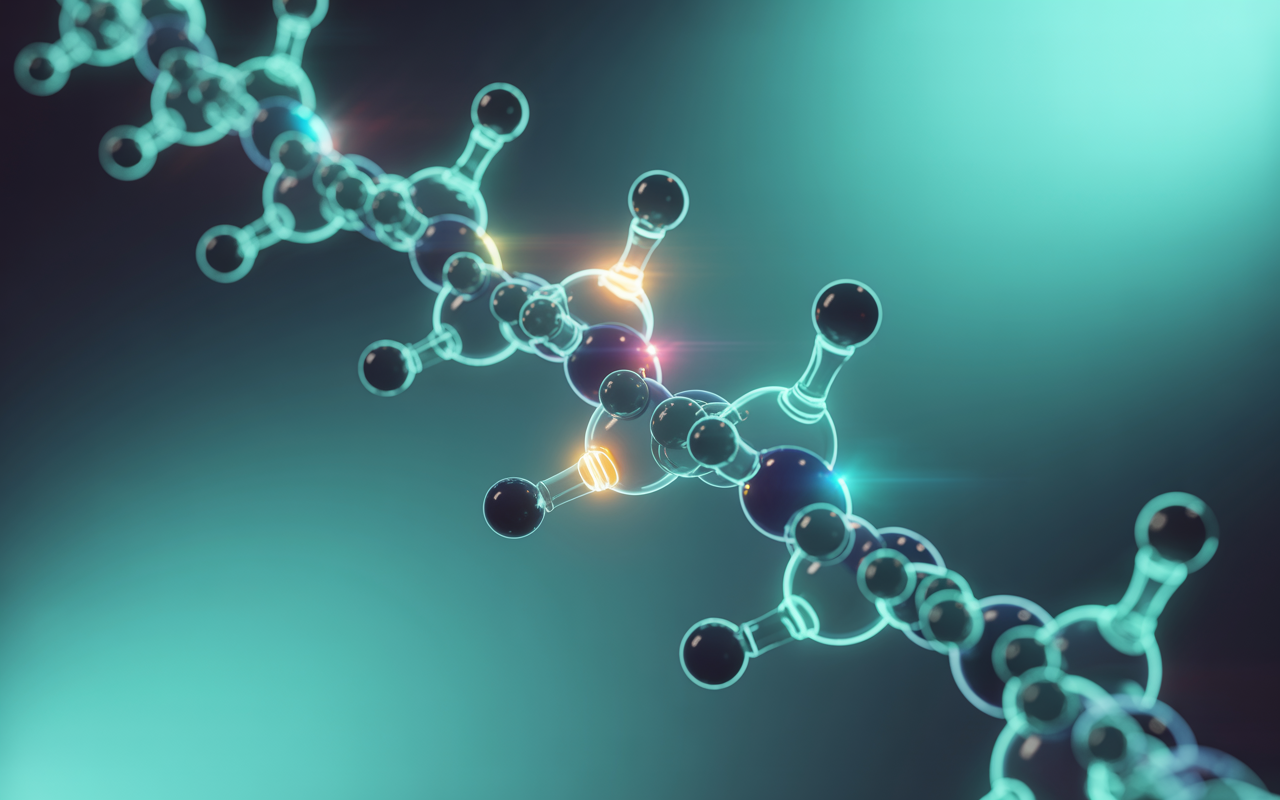
Growth Hormone Secretagogues (GHS) are compounds that stimulate the pituitary gland to release growth hormone. Unlike exogenous GH (injecting growth hormone itself), secretagogues work by triggering the body's own GH production, maintaining the natural pulsatile release pattern and feedback mechanisms.
The GHS family includes several distinct compounds, each with different selectivity, potency, and side effect profiles. Understanding these differences is essential for choosing the right tool for specific research applications.
The Ghrelin Receptor: Common Target, Different Approaches
All peptide-based GHS work primarily through the growth hormone secretagogue receptor (GHS-R), also known as the ghrelin receptor. This receptor, when activated, triggers GH release from pituitary somatotrophs. However, GHS-R is also expressed in other tissues (hypothalamus, hippocampus, pancreas), which explains the off-target effects seen with some GHS compounds.
The key differentiator among GHS compounds is their selectivity — how cleanly they activate GHS-R versus other receptors like those for cortisol, prolactin, and aldosterone.
The Compounds Compared
Ipamorelin Ipamorelin is the most selective GHS peptide. It stimulates GH release with minimal effects on cortisol, prolactin, and aldosterone. This selectivity makes it the preferred choice for research where clean GH stimulation is desired without confounding hormonal changes.
- GH potency: Moderate (dose-dependent, significant release at 1mcg/kg)
- Cortisol increase: Minimal to none
- Prolactin increase: Minimal to none
- Hunger stimulation: Mild
- Half-life: ~2 hours
Hexarelin Hexarelin is the most potent GHS peptide in terms of raw GH release. However, this potency comes with reduced selectivity — it stimulates cortisol and prolactin release alongside GH. It also demonstrates desensitisation with chronic use, meaning the GH response diminishes over weeks of continuous administration.
- GH potency: Highest among GHS peptides
- Cortisol increase: Moderate
- Prolactin increase: Moderate
- Hunger stimulation: Moderate
- Half-life: ~70 minutes
- Desensitisation: Yes — significant after 4-16 weeks
GHRP-2 GHRP-2 is a potent GHS with moderate selectivity. It produces strong GH release but also significantly increases cortisol and prolactin. It's notable for strong appetite stimulation (via ghrelin pathway activation), which can be either a feature or a bug depending on the research context.
- GH potency: High
- Cortisol increase: Significant
- Prolactin increase: Significant
- Hunger stimulation: Strong
- Half-life: ~30 minutes
GHRP-6 GHRP-6 was one of the first synthetic GHS peptides. It produces robust GH release but with the least selectivity of the group. Strong cortisol, prolactin, and appetite effects are characteristic. The intense hunger stimulation has made it a focus of appetite research.
- GH potency: High
- Cortisol increase: Significant
- Prolactin increase: Significant
- Hunger stimulation: Very strong
- Half-life: ~20 minutes
MK-677 (Ibutamoren) MK-677 is technically not a peptide — it's a non-peptide GHS receptor agonist (a small molecule). It's included here because it's frequently discussed alongside peptide GHS. Its key advantage is oral bioavailability and a long half-life enabling once-daily dosing.
- GH potency: Moderate to high
- Cortisol increase: Mild
- Prolactin increase: Mild
- Hunger stimulation: Significant (especially first 2-4 weeks)
- Half-life: ~24 hours (oral)
- Oral bioavailability: Yes
Choosing the Right GHS for Research
- Clean GH stimulation without hormonal confounders? Ipamorelin is the clear choice
- Maximum GH release for short-term studies? Hexarelin, but account for desensitisation
- Appetite research? GHRP-6 or GHRP-2 for ghrelin pathway investigation
- Long-term studies requiring consistent dosing? MK-677 for its oral convenience and long half-life, or Ipamorelin for its resistance to desensitisation
- Combined with GHRH analogues? Ipamorelin + CJC-1295 is the most studied synergistic combination
The Desensitisation Question
Desensitisation is the reduction in GH response with chronic GHS administration. This is a critical consideration for research design:
- Hexarelin shows the most pronounced desensitisation, with reduced response after 4-16 weeks of continuous use
- GHRP-2 and GHRP-6 show moderate desensitisation
- Ipamorelin shows the least desensitisation, maintaining response over extended periods
- MK-677 shows minimal desensitisation in studies up to 12 months
For long-term research protocols, compounds with lower desensitisation potential (Ipamorelin, MK-677) are generally preferred.
For our detailed Ipamorelin guide, see Ipamorelin. For Hexarelin, see Hexarelin.
Research Disclaimer
The information presented on this page is for educational and research purposes only. This content does not constitute medical advice, diagnosis, or treatment recommendations. The compounds discussed are investigational and, unless otherwise noted, have not been approved for human therapeutic use by Health Canada or any other regulatory body. Always consult a qualified healthcare professional before considering any new treatment or substance.
Looking for Research-Grade Peptides?
HCR Health provides high-purity, third-party tested research peptides for the Canadian market.
Browse Products at HCR Health