Thymosin Alpha-1: Complete Research Guide
A naturally occurring thymic peptide that plays a central role in immune system regulation. One of the few research peptides with regulatory approval in multiple countries for immune modulation.
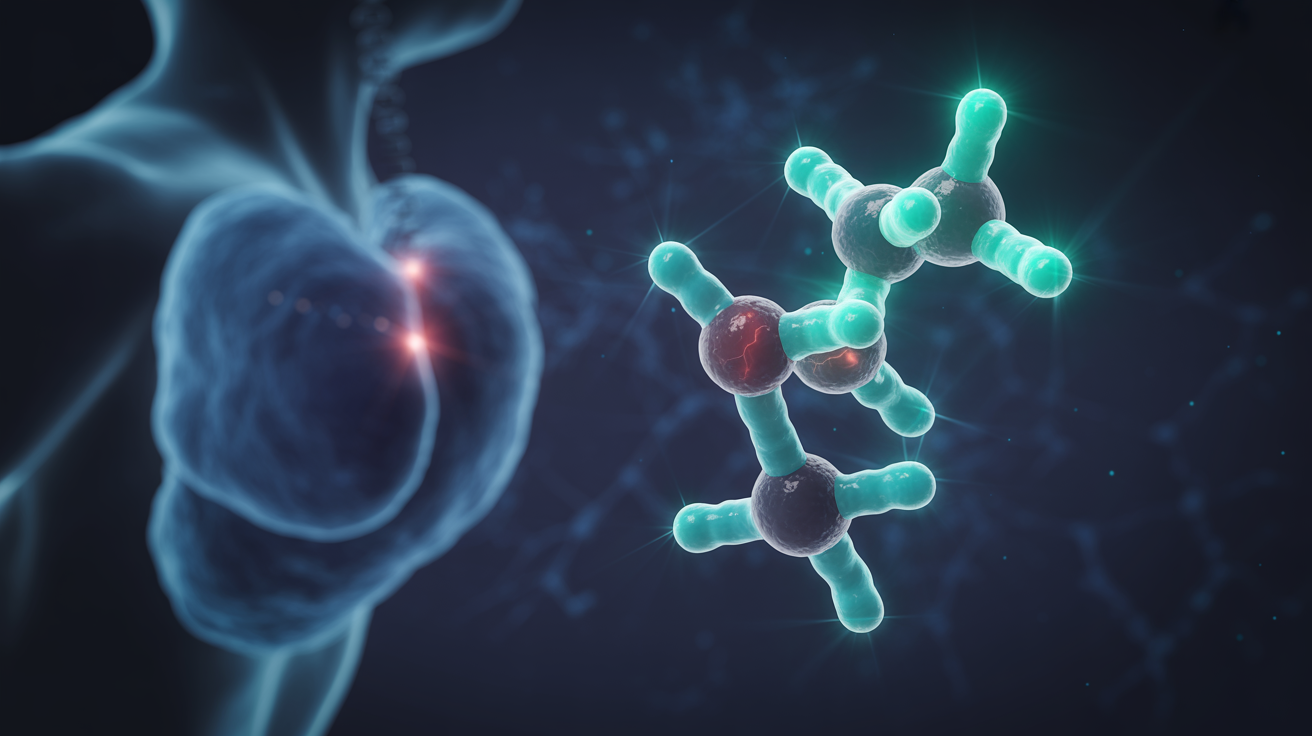
Thymosin Alpha-1 (Tα1) is a naturally occurring 28-amino acid peptide originally isolated from thymic tissue (Thymosin Fraction 5) by Allan Goldstein and colleagues at the George Washington University in the 1970s. The thymus gland is the organ responsible for the maturation and education of T-cells, the immune modulation system's key adaptive defence cells.
Tα1 is one of the most clinically validated peptides in existence. Unlike most research peptides discussed on this site, Thymosin Alpha-1 has been approved as a prescription medication in over 35 countries under the brand name Zadaxin®. It has been used clinically for the treatment of chronic hepatitis B and C, as an adjunct to cancer immunotherapy, and as an immune booster for immunocompromised patients.
Researchers are particularly interested in Tα1 because it represents a naturally occurring immune modulator that enhances the body's own immune defences without overstimulating them. Its mechanism involves the maturation and activation of dendritic cells and T-lymphocytes, making it a genuine immunomodulator rather than a simple immune stimulant.
What is Thymosin Alpha-1?
Thymosin Alpha-1 is a 28-amino acid peptide with the sequence Ac-Ser-Asp-Ala-Ala-Val-Asp-Thr-Ser-Ser-Glu-Ile-Thr-Thr-Lys-Asp-Leu-Lys-Glu-Lys-Lys-Glu-Val-Val-Glu-Glu-Ala-Glu-Asn and a molecular weight of approximately 3,108 Da. It is acetylated at the N-terminus, which contributes to its biological stability.
Tα1 was first identified as a component of Thymosin Fraction 5, a partially purified extract of calf thymus tissue. The thymus gland plays a critical role in immune development during childhood and adolescence, and its gradual involution (shrinking) with age is associated with declining immune function.
Natural Tα1 is produced by thymic epithelial cells and is also found in other tissues, including the spleen, brain, and lungs. Circulating levels of Tα1 in healthy adults are in the low nanogram per millilitre range. These levels decline with age and in various disease states, particularly those involving immune suppression.
The synthetic version of Tα1, marketed as Zadaxin® (thymalfasin), is manufactured by solid-phase peptide synthesis and is chemically identical to the naturally occurring form. It has been approved for medical use in numerous countries across Asia, South America, and parts of Europe, though it has not received FDA approval in the United States or approval from Health Canada.
Mechanism of Action
Thymosin Alpha-1 functions as an immunomodulator, enhancing the immune system's ability to detect and respond to threats while maintaining appropriate immune regulation.
Dendritic Cell Maturation: Tα1 promotes the maturation and functional activation of dendritic cells, the immune system's primary antigen-presenting cells. Mature dendritic cells are more efficient at capturing, processing, and presenting antigens to T-cells, thereby initiating adaptive immune responses. Tα1 acts through Toll-like receptors TLR2 and TLR9 on dendritic cells.
T-Cell Activation and Differentiation: Tα1 stimulates the differentiation and maturation of T-lymphocytes, particularly CD4+ helper T-cells and CD8+ cytotoxic T-cells. It promotes the expression of T-cell markers (CD2, CD3, CD4, CD8) on immature thymocytes, enhancing their functional capacity. It also increases the production of interferon-gamma (IFN-γ) and interleukin-2 (IL-2), both critical for cell-mediated immunity.
NK Cell Enhancement: Natural killer (NK) cells are part of the innate immune system and provide rapid responses to virus-infected cells and tumour cells. Tα1 has been shown to enhance NK cell cytotoxicity, improving the body's first-line defence against abnormal cells.
Immune Balance (Th1/Th2): An important characteristic of Tα1 is that it tends to shift the immune response toward a Th1 (cell-mediated) profile while modulating excessive Th2 (humoral/allergic) responses. This rebalancing effect is one reason it is studied in the context of chronic infections and cancer, where a strong Th1 response is desired.
Anti-Inflammatory Properties: Despite its immune-enhancing effects, Tα1 also demonstrates anti-inflammatory properties. It can reduce the production of pro-inflammatory cytokines in certain contexts, helping to prevent the excessive inflammation that can accompany immune activation.
Research Applications
Thymosin Alpha-1 has one of the most extensive clinical research portfolios of any peptide.
- Chronic Hepatitis B and C: The most extensively studied clinical application. Multiple clinical trials have demonstrated that Tα1, alone or in combination with interferon, significantly improves sustained virological response rates in chronic hepatitis B patients. It is approved for this indication in many countries.
- Cancer Immunotherapy Adjunct: Tα1 has been studied as an adjunct to conventional cancer therapies, including chemotherapy and radiation. Clinical trials have shown improvements in immune function, quality of life, and in some cases, survival rates when Tα1 is added to standard treatment protocols. It has been investigated in melanoma, hepatocellular carcinoma, non-small cell lung cancer, and other malignancies.
- Vaccine Enhancement: Research has explored Tα1 as a vaccine adjuvant to improve immune responses in immunocompromised populations, including elderly individuals and those with weakened immune systems due to disease or treatment.
- Sepsis and Critical Care: Studies have investigated Tα1's potential to restore immune function in sepsis patients, where immune suppression is a leading cause of mortality. Results have shown promising improvements in immune markers and some clinical outcomes.
- HIV/AIDS: As an immune modulator that enhances CD4+ T-cell function, Tα1 has been studied in HIV-positive patients, showing improvements in CD4 counts and immune parameters.
- Emerging Research: More recent investigations have explored Tα1's potential in the context of respiratory infections, post-surgical immune recovery, and as a component of anti-ageing immune support protocols.
Dosage Protocols in Studies
Thymosin Alpha-1 has well-established clinical dosing protocols from its use as an approved medication (Zadaxin®).
Approved Clinical Dosage (Zadaxin®): • 1.6 mg administered as a subcutaneous injection • Twice weekly (typically Monday and Thursday, or Tuesday and Friday) • Treatment duration varies by indication: 6–12 months for chronic hepatitis, ongoing for immunotherapy adjunct use
Research Protocols: • Subcutaneous injection is the standard route of administration • Doses in research studies range from 0.8 mg to 6.4 mg, though the standard clinical dose of 1.6 mg twice weekly is most common • Some protocols use daily dosing during acute immune challenges, then transition to twice weekly for maintenance
Pharmacokinetics: • Peak plasma levels occur approximately 2 hours after subcutaneous injection • Elimination half-life is approximately 2 hours • Despite the short half-life, the immunological effects persist much longer than the peptide's presence in the blood, as Tα1 triggers sustained changes in immune cell function
Tα1 is supplied as a lyophilised powder and reconstituted with the provided sterile diluent or bacteriostatic water for injection.
Safety Profile & Considerations
Thymosin Alpha-1 has one of the best-documented safety profiles among all research and therapeutic peptides, supported by extensive clinical trial data and decades of post-market use.
Clinical Trial Safety: Across hundreds of clinical trials involving thousands of patients, Tα1 has demonstrated an excellent safety and tolerability profile. No serious drug-related adverse events have been consistently attributed to Tα1 in controlled clinical studies.
Common Side Effects: • Injection site reactions (mild redness or discomfort) — the most commonly reported side effect • Mild, transient flu-like symptoms in some patients during initial treatment • These effects are generally self-limiting and do not require treatment discontinuation
Safety Advantages: • Does not cause the significant side effects associated with interferon therapy (fever, myalgia, depression) • Does not cause immunosuppression, unlike many other immunomodulatory drugs • No evidence of autoimmune induction or exacerbation • No significant drug interactions have been identified • Can be safely combined with other treatments including interferon, antivirals, chemotherapy, and vaccines
Contraindications: • Hypersensitivity to Tα1 or any excipient • Patients receiving immunosuppressive therapy for organ transplants should use Tα1 with caution, as it could theoretically counteract immunosuppression • Use in pregnancy and breastfeeding has not been adequately studied
Canadian Regulatory Context
Thymosin Alpha-1 (as Zadaxin®) is not approved by Health Canada. Despite its extensive clinical use internationally, it has not undergone the Health Canada review process.
Internationally, the picture is quite different: • Approved in 35+ countries: Including China, India, Philippines, Argentina, Peru, and several other nations across Asia, South America, and parts of Europe • Orphan Drug designation: Received FDA Orphan Drug status in the United States for hepatocellular carcinoma, though full FDA approval was never obtained
In Canada, Thymosin Alpha-1 is available through research chemical suppliers. It is not available through pharmacies or compounding pharmacies, as it does not have the prescribing framework that compounds like Sermorelin have.
Canadian physicians with patients who could benefit from Tα1 may explore the Special Access Programme (SAP), which allows practitioners to request access to drugs not available for sale in Canada for the treatment of patients with serious or life-threatening conditions. However, this is at Health Canada's discretion.
WADA does not specifically list Thymosin Alpha-1 on its Prohibited List. However, its immune-modulating properties could potentially fall under certain broad categories, and athletes should verify with their sport's anti-doping authority.
Frequently Asked Questions
Is Thymosin Alpha-1 the same as TB-500 (Thymosin Beta-4)?
No, they are completely different peptides with different structures, different mechanisms, and different applications. Thymosin Alpha-1 is a 28-amino acid immune modulator from the alpha-thymosin family. TB-500 is a 43-amino acid tissue repair peptide from the beta-thymosin family. Their only connection is that both were originally identified in thymic tissue.
Why is Tα1 approved in 35 countries but not in Canada or the US?
Regulatory approval processes differ between countries. The clinical trials supporting Zadaxin® were conducted primarily in Asia and South America. Obtaining FDA or Health Canada approval requires meeting specific regulatory requirements, including trials conducted to those agencies' standards. Commercial considerations also play a role — the cost of running North American regulatory trials may not be justified by the potential market.
Can Thymosin Alpha-1 help with autoimmune conditions?
This is nuanced. Tα1 is an immunomodulator, not just an immune stimulant. While it enhances certain immune functions, it also helps rebalance the immune system (Th1/Th2 balance). Some researchers suggest this rebalancing effect could be beneficial in certain autoimmune contexts. However, this remains an area of active research and is not an established application.
How is Tα1 different from thymus gland supplements?
Thymus gland supplements are crude extracts containing a mixture of thymic proteins and peptides. Tα1 is a specific, purified, synthetic peptide with a defined amino acid sequence. The difference is like comparing a multivitamin to a specific pharmaceutical-grade vitamin — the pure compound allows for precise dosing and predictable effects.
Can Tα1 be combined with other peptides?
In clinical settings, Tα1 has been safely combined with interferon, antivirals, and chemotherapy. In research contexts, it is sometimes studied alongside other immune-supporting compounds. No significant drug-peptide interactions have been identified.
Research Disclaimer
The information presented on this page is for educational and research purposes only. This content does not constitute medical advice, diagnosis, or treatment recommendations. The compounds discussed are investigational and, unless otherwise noted, have not been approved for human therapeutic use by Health Canada or any other regulatory body. Always consult a qualified healthcare professional before considering any new treatment or substance.
Looking for Research-Grade Peptides?
HCR Health provides high-purity, third-party tested research peptides for the Canadian market.
Browse Products at HCR Health