GHK-Cu: Complete Research Guide
A naturally occurring copper-binding tripeptide studied extensively for its role in wound healing, skin remodelling, collagen synthesis, and anti-ageing research applications.
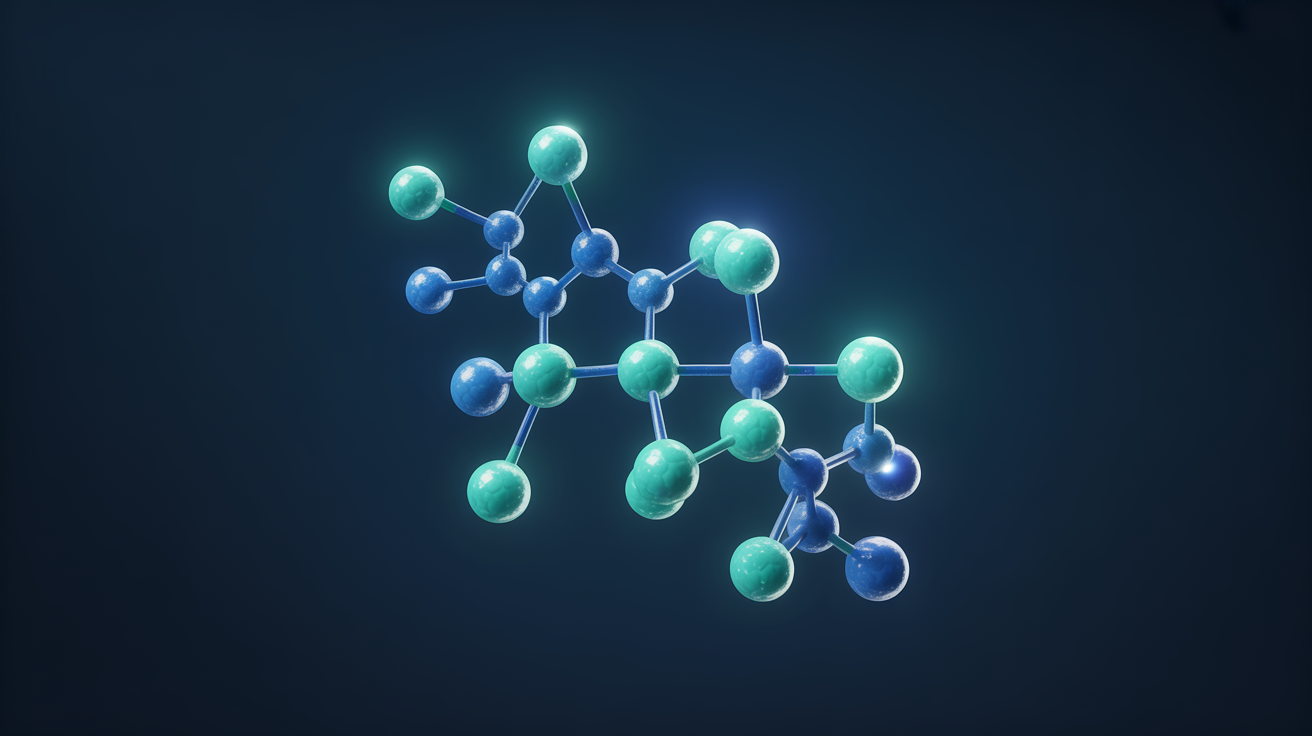
GHK-Cu, or glycyl-L-histidyl-L-lysine copper(II), is a naturally occurring tripeptide-copper complex first identified in human plasma in 1973 by Dr. Loren Pickart. It was discovered during research investigating why liver tissue from young donors outperformed older donor tissue in protein synthesis assays. The active factor was isolated and identified as this small peptide with a strong affinity for copper(II) ions.
GHK-Cu is present in various human biological fluids, including plasma, saliva, and urine. Its concentration in plasma declines significantly with age — from approximately 200 ng/mL at age 20 to roughly 80 ng/mL by age 60. This age-related decline has fuelled significant research interest in its potential role in the ageing process and tissue maintenance.
Researchers study GHK-Cu for its remarkably broad range of biological activities, including wound healing acceleration, collagen and glycosaminoglycan synthesis, anti-inflammatory effects, antioxidant defence, and DNA repair gene expression. Its dual nature as both a signalling peptide and a copper delivery vehicle makes it a uniquely versatile compound in regenerative research.
What is GHK-Cu?
GHK-Cu is a tripeptide consisting of three amino acids — glycine, histidine, and lysine — bound to a copper(II) ion. Its molecular formula is C₁₄H₂₃CuN₆O₄, and it has a molecular weight of approximately 403.9 Da. The copper ion is chelated primarily through the imidazole nitrogen of histidine and the alpha-amino nitrogen of glycine, creating a stable, biologically active complex.
The peptide exists naturally in human tissue and body fluids and is released from collagen and other extracellular matrix proteins during tissue injury. This release acts as a biological signal that triggers repair and remodelling cascades. The copper ion is not merely a passenger in this complex — it is integral to the peptide's biological activity, as GHK without copper shows significantly diminished effects in many assays.
GHK-Cu has an extremely high affinity for copper(II), with a dissociation constant (Kd) of approximately 10⁻¹⁶ M, meaning the peptide-copper bond is exceptionally strong. This tight binding allows GHK to function as an efficient copper transporter, delivering this essential trace element directly to cells and tissues that require it for enzymatic processes involved in repair and maintenance.
In research settings, GHK-Cu is available as a lyophilized powder for reconstitution (injectable research) and is widely incorporated into topical formulations. Its small molecular size allows reasonable skin penetration, making it one of the few peptides with practical topical applications in dermatological research.
Mechanism of Action
GHK-Cu exerts its biological effects through multiple interconnected mechanisms, acting both as a signalling molecule and a copper delivery system.
Gene Expression Modulation: Perhaps the most significant discovery about GHK-Cu is its ability to influence the expression of a large number of human genes. A landmark 2012 study using the Broad Institute's Connectivity Map identified that GHK-Cu could modulate the expression of 4,048 genes — roughly 6% of the human genome. It was found to upregulate genes associated with tissue repair and regeneration while suppressing genes linked to tissue destruction and inflammation.
Collagen and Extracellular Matrix Synthesis: GHK-Cu stimulates the production of collagen types I, III, and V by fibroblasts. It simultaneously promotes the synthesis of glycosaminoglycans (such as dermatan sulphate and chondroitin sulphate), proteoglycans, and other extracellular matrix components essential for tissue structure and wound healing.
Anti-Inflammatory Activity: The peptide suppresses the production of pro-inflammatory cytokines, including TNF-α, IL-6, and TGF-β1 (when overexpressed), while also reducing oxidative damage. It modulates iron levels by inducing ferritin expression, thereby limiting iron-catalysed free radical generation.
Angiogenesis Promotion: Similar to BPC-157, GHK-Cu promotes the formation of new blood vessels, which is critical for wound healing and tissue repair. It stimulates VEGF production and supports the development of new capillary networks in damaged tissue.
Stem Cell Attraction: Research indicates GHK-Cu can attract immune cells and stem cells to wound sites, accelerating the body's natural repair processes. It enhances the migration of endothelial cells and mesenchymal stem cells toward areas of tissue damage.
Research Applications
GHK-Cu has been studied across a wide range of applications, with particular depth in dermatological and wound healing research.
- Wound Healinging: Multiple studies have demonstrated GHK-Cu's ability to accelerate wound closure. In animal models, topical GHK-Cu application significantly improved wound healing rates, increased collagen deposition, and enhanced the tensile strength of healed tissue. These effects have been observed in both acute wounds and chronic, non-healing wounds.
- Anti-Ageing and Skin Remodelling: Clinical studies have shown that topical GHK-Cu creams can increase collagen production, improve skin elasticity, reduce fine lines and wrinkles, increase skin thickness, and improve overall skin appearance. In controlled trials, facial creams containing GHK-Cu outperformed vitamin C and retinoic acid creams in improving skin quality metrics.
- Hair Growth: Research has explored GHK-Cu's potential to stimulate hair growth. Studies suggest it can enlarge hair follicle size and stimulate hair growth by promoting dermal papilla cell proliferation and extending the anagen (growth) phase of the hair cycle.
- Bone Regeneration: GHK-Cu has been shown to promote osteoblast (bone-building cell) activity and may aid in bone repair, particularly when delivered on biocompatible scaffolds in tissue engineering applications.
- Lung Tissue Remodelling: Emerging research suggests GHK-Cu may have applications in treating fibrotic lung conditions by remodelling scar tissue and restoring healthier tissue architecture. Gene expression studies support its potential to reverse aspects of emphysema-related tissue destruction.
- Neuroprotection: Preliminary studies indicate GHK-Cu may have neuroprotective properties, with potential relevance to neurodegenerative conditions through its anti-inflammatory and antioxidant mechanisms.
Dosage Protocols in Studies
GHK-Cu dosage protocols vary significantly depending on the administration route and the nature of the research being conducted.
- Topical Application (Most Common): GHK-Cu is most commonly used topically in research and commercial skincare applications. Effective concentrations in studies range from 1 to 20 parts per million (ppm), or approximately 0.0001% to 0.002%. Many commercial formulations contain higher concentrations. Application is typically once or twice daily to the target area.
- Subcutaneous Injection: In research settings requiring systemic delivery, subcutaneous administration is used. Dosages typically range from 50 to 200 mcg per day, though specific protocols vary by study.
- Microneedling/Mesotherapy: Some dermatological research protocols use GHK-Cu in conjunction with microneedling to enhance skin penetration and stimulate deeper tissue remodelling. Concentrations used in these protocols vary.
- Iontophoresis: Research has explored the use of low-level electrical current to drive GHK-Cu deeper into the skin, enhancing its topical effectiveness.
For injectable research, GHK-Cu is supplied as a lyophilized powder and reconstituted with bacteriostatic water. It should be stored refrigerated after reconstitution and used within a defined timeframe to maintain stability and sterility.
Safety Profile & Considerations
GHK-Cu has one of the more favourable safety profiles among research peptides, which is partly attributable to its natural occurrence in the human body.
As a naturally occurring compound present in human plasma from birth, GHK-Cu has an inherent level of biological compatibility. Toxicological studies have confirmed a very low toxicity profile.
Topical Use: Extensive use in cosmetic and dermatological research has shown topical GHK-Cu to be well-tolerated. Side effects are rare and typically limited to mild, transient skin irritation or redness at the application site, particularly with higher concentrations.
Injectable Use: Limited data from injectable research suggests similarly good tolerability. Reported side effects are mild and may include temporary redness or tenderness at the injection site.
Considerations: • As with any copper-containing compound, there is a theoretical concern about copper toxicity with excessive systemic administration. However, the quantities used in standard research protocols are far below levels that would cause copper overload. • Due to its stimulatory effects on cell proliferation and angiogenesis, the same theoretical caution regarding active cancers that applies to BPC-157 is also relevant for GHK-Cu. • Individuals with Wilson's disease (a genetic condition causing copper accumulation) should avoid GHK-Cu.
No serious adverse events have been reported in the published literature for either topical or injectable GHK-Cu.
Canadian Regulatory Context
GHK-Cu occupies an interesting regulatory position in Canada. It is not approved by Health Canada as a therapeutic drug, nor is it a controlled substance.
In the cosmetics and skincare industry, GHK-Cu is widely used as an ingredient in topical products available over-the-counter in Canada. Health Canada's regulation of cosmetics does not require pre-market approval for ingredients with established safety profiles when used in cosmetic products. As such, numerous GHK-Cu-containing skincare products are legally sold in the Canadian market.
For research purposes, GHK-Cu can be obtained from chemical suppliers as a research-grade compound. It is not listed on WADA's Prohibited List, as it is not considered to have performance-enhancing properties relevant to competitive sport.
The regulatory landscape for injectable GHK-Cu is less defined. While it is available as a research chemical, it is not approved for injection in humans. Any injectable use falls outside the scope of regulated medical practice in Canada.
Researchers and consumers should be aware that the quality and purity of GHK-Cu products can vary significantly between suppliers. When sourcing for research, third-party certificates of analysis (COA) and High-Performance Liquid Chromatography (HPLC) purity testing are recommended.
Frequently Asked Questions
What makes GHK-Cu different from other anti-ageing peptides?
GHK-Cu is unique because it is a naturally occurring compound in the human body, not a synthetic creation. Its dual function as both a signalling molecule and a copper transporter, combined with its ability to modulate thousands of genes, gives it a breadth of activity that most synthetic peptides lack.
Can GHK-Cu be used topically and by injection?
Yes, in research settings both routes are used. Topical application is the most common and well-studied route, particularly for skin and wound healing research. Injectable (subcutaneous) administration is used when systemic effects are desired.
Does the copper in GHK-Cu cause any toxicity concerns?
At the doses used in typical research and cosmetic applications, no. The copper content is minimal and well within safe limits. However, individuals with Wilson's disease, a condition affecting copper metabolism, should avoid GHK-Cu entirely.
Why does GHK-Cu decline with age?
The exact reason for the age-related decline in plasma GHK-Cu levels is not fully understood. It may be related to decreased collagen turnover and reduced production of the precursor proteins from which GHK is naturally released. This decline correlates with observable decreases in tissue repair capacity.
Is GHK-Cu banned in sports?
No. Unlike BPC-157 and TB-500, GHK-Cu is not on WADA's Prohibited List. This is because it is primarily studied for tissue remodelling and skin health rather than performance-enhancing effects like muscle growth or accelerated injury recovery.
Research Disclaimer
The information presented on this page is for educational and research purposes only. This content does not constitute medical advice, diagnosis, or treatment recommendations. The compounds discussed are investigational and, unless otherwise noted, have not been approved for human therapeutic use by Health Canada or any other regulatory body. Always consult a qualified healthcare professional before considering any new treatment or substance.
Looking for Research-Grade Peptides?
HCR Health provides high-purity, third-party tested research peptides for the Canadian market.
Browse Products at HCR Health