DSIP: Complete Research Guide
Delta Sleep-Inducing Peptide, a naturally occurring nonapeptide studied for its effects on sleep architecture, stress response, pain modulation, and neuroendocrine regulation.
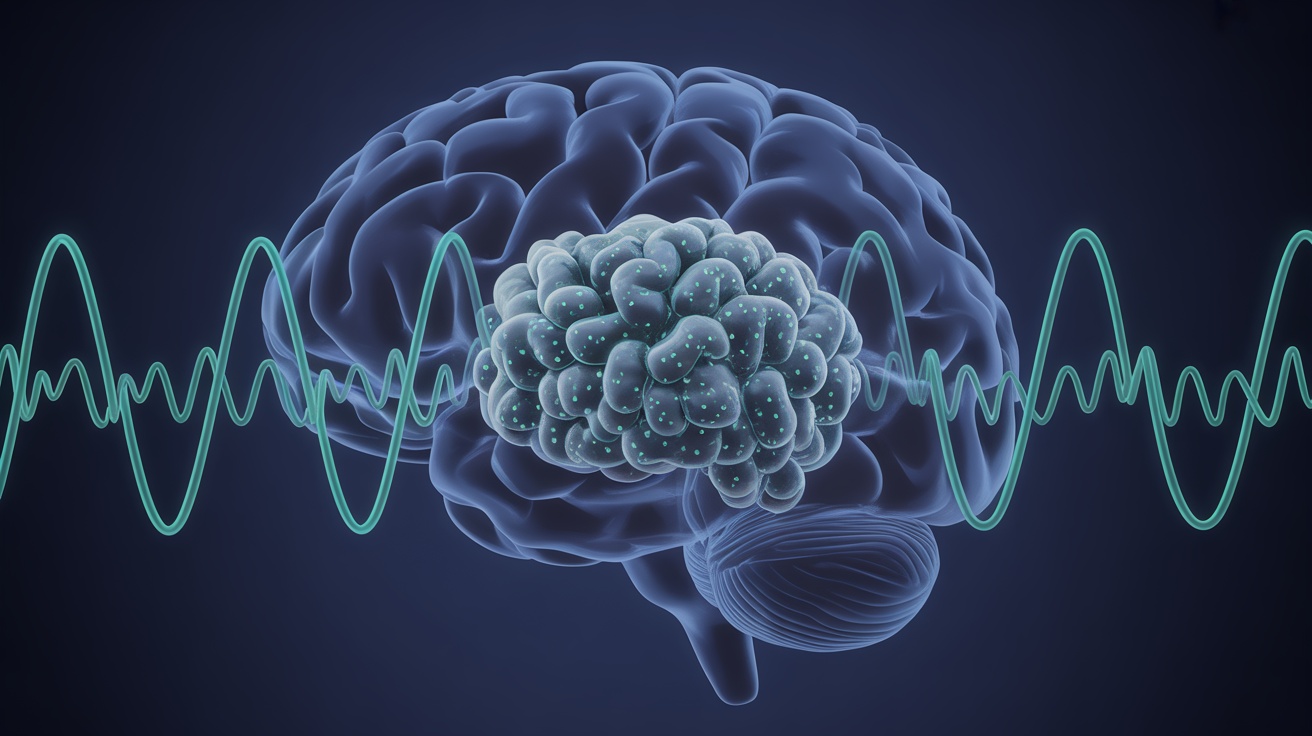
Delta Sleep-Inducing Peptide (DSIP) is a naturally occurring nonapeptide — a chain of nine amino acids — first identified in 1977 by a Swiss research group led by Monnier and Schoenenberger. The peptide was isolated from the cerebral venous blood of rabbits that had been electrically stimulated to induce sleep. When this peptide was administered to recipient rabbits, it promoted the onset of delta wave sleep (deep, slow-wave sleep), leading to its name.
DSIP is found in the human brain, with the highest concentrations in the limbic system and hypothalamus. It also circulates in the blood, where it can exist in both free and protein-bound forms. Its widespread distribution suggests it plays multiple physiological roles beyond sleep induction.
Research over the subsequent decades has revealed that DSIP's functions extend well beyond simply inducing sleep. It has been studied for its effects on stress response modulation, pain perception, body temperature regulation, corticotropin (ACTH) release, and even protection against oxidative stress. Despite this broad pharmacological profile, DSIP remains an investigational compound with no regulatory approvals worldwide. Its mechanism of action is still not fully understood, which has limited its pharmaceutical development.
What is DSIP?
DSIP is a nonapeptide with the amino acid sequence Trp-Ala-Gly-Gly-Asp-Ala-Ser-Gly-Glu and a molecular weight of approximately 849 Da. It was the first sleep-related peptide to be biochemically characterised.
The peptide is amphiphilic, meaning it has both hydrophilic and hydrophobic properties, which allows it to interact with cell membranes and cross the blood-brain barrier. This characteristic is important because DSIP can be administered peripherally (subcutaneously or intravenously) and still exert central nervous system effects.
DSIP is produced in the hypothalamus and is found in both the central and peripheral nervous systems, as well as in the blood and various organs. In the blood, approximately 85% of DSIP is bound to proteins, creating a circulating reservoir that can be released as needed.
One of the more unusual characteristics of DSIP is its remarkable resistance to degradation by aminopeptidases, despite having no D-amino acids or other protective modifications. This natural stability is unusual for a peptide and contributes to its relatively long biological activity.
DSIP does not appear to have a single, specific receptor. Instead, it is thought to act through multiple mechanisms, including modulation of GABAergic, glutamatergic, and serotonergic neurotransmitter systems. This multimodal action complicates the understanding of its pharmacology but may explain its broad range of effects.
Mechanism of Action
DSIP's mechanism of action is complex and not fully elucidated. It appears to function as a neuromodulator with multiple targets.
Sleep Regulation: DSIP promotes delta (slow-wave) sleep, the deepest and most restorative phase of the sleep cycle. It appears to do this not by acting as a sedative (which would impair arousal) but by normalising sleep architecture. Research suggests it modulates the activity of sleep-regulatory neurons in the hypothalamus, particularly through interactions with the GABAergic system.
Stress Response Modulation: DSIP has been shown to modulate the hypothalamic-pituitary-adrenal (HPA) axis, the body's primary stress response system. It can reduce ACTH and cortisol levels during stress while maintaining normal baseline levels. This effect suggests it acts as a stress buffer rather than a simple cortisol suppressor.
Pain Modulation: DSIP has demonstrated analgesic (pain-reducing) effects in both animal and human studies. It appears to modulate pain pathways through interactions with the opioid system, though it does not bind directly to opioid receptors. Its analgesic effects are distinct from those of classical opioids and do not appear to produce dependence.
Thermoregulation: DSIP has been shown to lower body temperature in hyperthermic conditions while not affecting normothermic temperature, suggesting a role in temperature homeostasis.
Antioxidant and Cytoprotective Effects: Research indicates DSIP can reduce oxidative stress markers and protect cells against various damaging stimuli. It enhances the activity of endogenous antioxidant systems, including superoxide dismutase and catalase.
Neuroendocrine Effects: DSIP modulates the release of several hormones, including LH (luteinising hormone), GH (growth hormone), and somatostatin, suggesting a broad role in neuroendocrine regulation.
Research Applications
DSIP has been studied across a surprisingly wide range of applications.
- Insomnia and Sleep Disorders: The original and most studied application. Human studies have shown DSIP can improve sleep onset, increase the proportion of deep sleep, reduce nighttime awakenings, and improve subjective sleep quality. Importantly, it does not produce the hangover effects or cognitive impairment associated with conventional sleep medications.
- Chronic Pain: Clinical studies in patients with chronic pain conditions (including chronic headache, migraine, and vasomotor headache) have reported significant pain relief following DSIP administration. The analgesic effect appears to build over several days of treatment.
- Alcohol and Opioid Withdrawal: Research has explored DSIP's potential to alleviate withdrawal symptoms. Studies in patients undergoing alcohol and opioid withdrawal reported reduced anxiety, improved sleep, and normalised stress hormone levels.
- Stress and Anxiety: DSIP's ability to modulate the HPA axis and reduce stress-related cortisol elevations has led to research in stress-related conditions and anxiety disorders.
- Depression: Limited studies have explored DSIP in depressive disorders, with some reports of improved mood and normalised sleep-wake cycles in depressed patients.
- Athletic Recovery: Some research has investigated DSIP's potential to improve recovery through better sleep quality and reduced stress response, though this application is less well-documented.
- Narcolepsy: Case reports have described improvements in narcolepsy symptoms with DSIP administration, though controlled trials are lacking.
Dosage Protocols in Studies
DSIP dosage protocols are derived from published clinical studies and research literature.
- Subcutaneous or Intravenous Injection: The most common routes. Doses in human studies typically range from 25 to 100 mcg per kilogram of body weight, administered in the evening (1–2 hours before desired sleep onset).
- Standard Research Dose: For a 70 kg individual, this translates to approximately 1.75–7 mg per administration.
- Intranasal: Some research has explored nasal spray administration, though bioavailability data is limited.
- Treatment Duration:
- - For sleep improvement: 5–10 consecutive days of administration
- - For chronic pain: 7–14 days
- - For withdrawal support: 5–10 days
- - Effects on sleep architecture may persist for several days after the last dose
- Timing: Evening administration is standard, typically 1–2 hours before bedtime. This aligns with the body's natural circadian rhythm and DSIP's sleep-promoting effects.
- Cycling: Due to the potential for tolerance development, cycling is recommended. Typical protocols involve 5–10 days on, followed by at least 5–10 days off.
DSIP is supplied as a lyophilised powder and reconstituted with bacteriostatic water. It should be stored refrigerated after reconstitution.
Safety Profile & Considerations
DSIP has demonstrated a good safety profile in published studies, though the total volume of safety data is limited compared to more widely studied compounds.
Human Study Safety: In clinical studies involving insomnia, pain, and withdrawal patients, DSIP was well-tolerated with no serious adverse events reported.
Reported Side Effects: • Mild drowsiness (expected given its mechanism) • Occasional mild headache • Transient dizziness • Injection site reactions
Safety Advantages Over Conventional Sleep Medications: • Does not impair cognitive function or cause next-day drowsiness • Does not produce respiratory depression (unlike benzodiazepines and opioids) • No evidence of physical dependence or addiction potential • Does not suppress REM sleep (unlike many conventional hypnotics) • Does not impair arousal — users can be woken normally
Considerations: • Tolerance may develop with prolonged continuous use, necessitating cycling • Long-term safety data is lacking • Interactions with other sleep medications or CNS-active compounds have not been thoroughly studied • Use in pregnancy and breastfeeding has not been evaluated • Individuals with neurological conditions should exercise caution and consult a healthcare provider
Canadian Regulatory Context
DSIP is not approved by Health Canada or any other major regulatory body worldwide. It remains a research-only compound.
In Canada, DSIP is available through research chemical suppliers for legitimate research purposes. It is not available through pharmacies, compounding pharmacies, or any regulated medical channel.
Key considerations for Canadian researchers: • DSIP is not a controlled substance in Canada • It is not listed on WADA's Prohibited List • No pharmaceutical-grade product exists anywhere in the world • Quality and purity from research suppliers are unregulated • The research literature on DSIP, while intriguing, dates primarily from the 1980s and 1990s, with relatively little modern research activity
DSIP's lack of a clearly defined receptor target has been a significant barrier to its pharmaceutical development. Without a specific molecular target, the traditional drug development pathway (receptor identification → lead optimisation → clinical trials) is difficult to pursue. This is the primary reason it has remained a research compound despite decades of documented biological activity.
Frequently Asked Questions
Is DSIP a sleeping pill?
No. DSIP does not work like conventional sleeping pills (benzodiazepines, Z-drugs). It does not sedate you or suppress consciousness. Instead, it appears to normalise sleep architecture, promoting natural deep sleep without impairing the ability to wake up. It has no reported hangover effect or cognitive impairment.
Can DSIP help with jet lag?
This is a plausible application given DSIP's effects on sleep architecture and circadian rhythm, but specific studies on jet lag are limited. Its ability to promote delta sleep and normalise sleep patterns suggests potential utility, but this remains speculative.
Why hasn't DSIP been developed as a drug?
The primary obstacle is the lack of an identified specific receptor. Modern drug development typically requires a defined molecular target for regulatory approval. DSIP appears to work through multiple mechanisms, making it difficult to fit into the standard pharmacological framework.
How does DSIP compare to melatonin for sleep?
They work through different mechanisms. Melatonin is primarily a circadian rhythm regulator that signals the body it's time to sleep. DSIP promotes the depth and quality of sleep (particularly delta/slow-wave sleep). They address different aspects of sleep and could theoretically be complementary.
Does DSIP affect growth hormone release?
Yes, indirectly. By promoting deep sleep, DSIP may enhance the natural nocturnal GH pulse that occurs during slow-wave sleep. Some studies have also reported direct effects on GH regulation, but this is not its primary mechanism.
Research Disclaimer
The information presented on this page is for educational and research purposes only. This content does not constitute medical advice, diagnosis, or treatment recommendations. The compounds discussed are investigational and, unless otherwise noted, have not been approved for human therapeutic use by Health Canada or any other regulatory body. Always consult a qualified healthcare professional before considering any new treatment or substance.
Looking for Research-Grade Peptides?
HCR Health provides high-purity, third-party tested research peptides for the Canadian market.
Browse Products at HCR Health